
Six Ways Water Gets In
Almost every wet basement in this region is one of these, and they have wildly different fixes. Two of them are solved outside the house for a few hundred dollars. One of them is not solved by anything applied to a wall, no matter what it says on the tin.
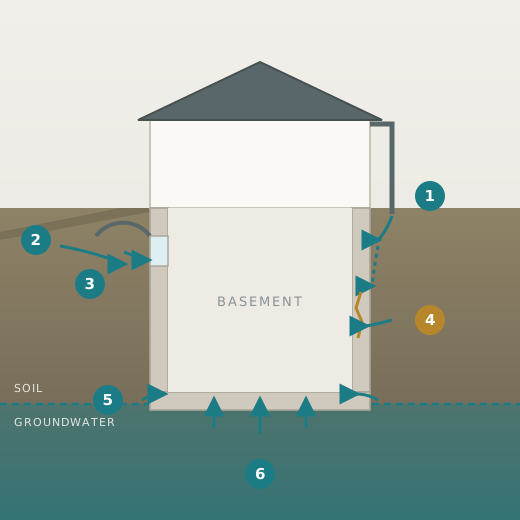
- 1. Roof runoff at the foundationA downspout discharging beside the wall delivers an astonishing volume straight to where you least want it. Frequently the whole problem, and frequently free to fix.
- 2. Ground sloping toward the houseBackfill settles over decades until the grade runs the wrong way. Regrading is outside work and cheap relative to anything done inside.
- 3. Window wells filling upA well with no drainage becomes a bucket against the wall. Covers and drainage fix it.
- 4. Through a crackThen the crack is the entry point, and the real question is what the crack is doing. Injection stops the water; whether more is needed depends on movement.
- 5. The floor-wall jointHydrostatic pressure. Groundwater outside standing higher than your floor, pushing up underneath. No wall coating touches this — it needs drainage and a sump.
- 6. Up through the slabSame cause as 5, worse. Usually seasonal, usually during the March melt, and entirely manageable once it is correctly identified.
Three Things a Franchise Salesperson Won’t Lead With
Wall sealing does nothing for the most common cause
If water arrives at the joint where the floor meets the wall, it is coming from below — groundwater outside standing higher than your floor and pushing up. Painting, coating or sealing the wall face cannot affect that, because the water is not coming through the wall. It is a genuinely common misdiagnosis and it is an expensive one, because the basement is still wet afterwards.
A surprising number of wet basements are fixed outside for under $1,000
Roof runoff dumped at the foundation and ground that has settled to slope back toward the house cause an enormous share of the wet basements we look at. Both are exterior work. Both are cheap. Both get quietly skipped past by anybody whose business model is interior systems.
We will tell you when your problem is a downspout. It costs us the job and it is the reason you will call us when it genuinely is a drainage system.
Old stone foundations must not be sealed
A nineteenth-century fieldstone cellar — and this region has a great many — was built to let moisture pass through. Sealing the inside face with a waterproof coating or parging it solid with hard cement traps water in the stone, works at the mortar, and drives moisture up into the sills and framing. On an antique cellar the job is managing water, not blocking it. Some damp down there is normal and always has been.
Four Services, Matched to the Cause
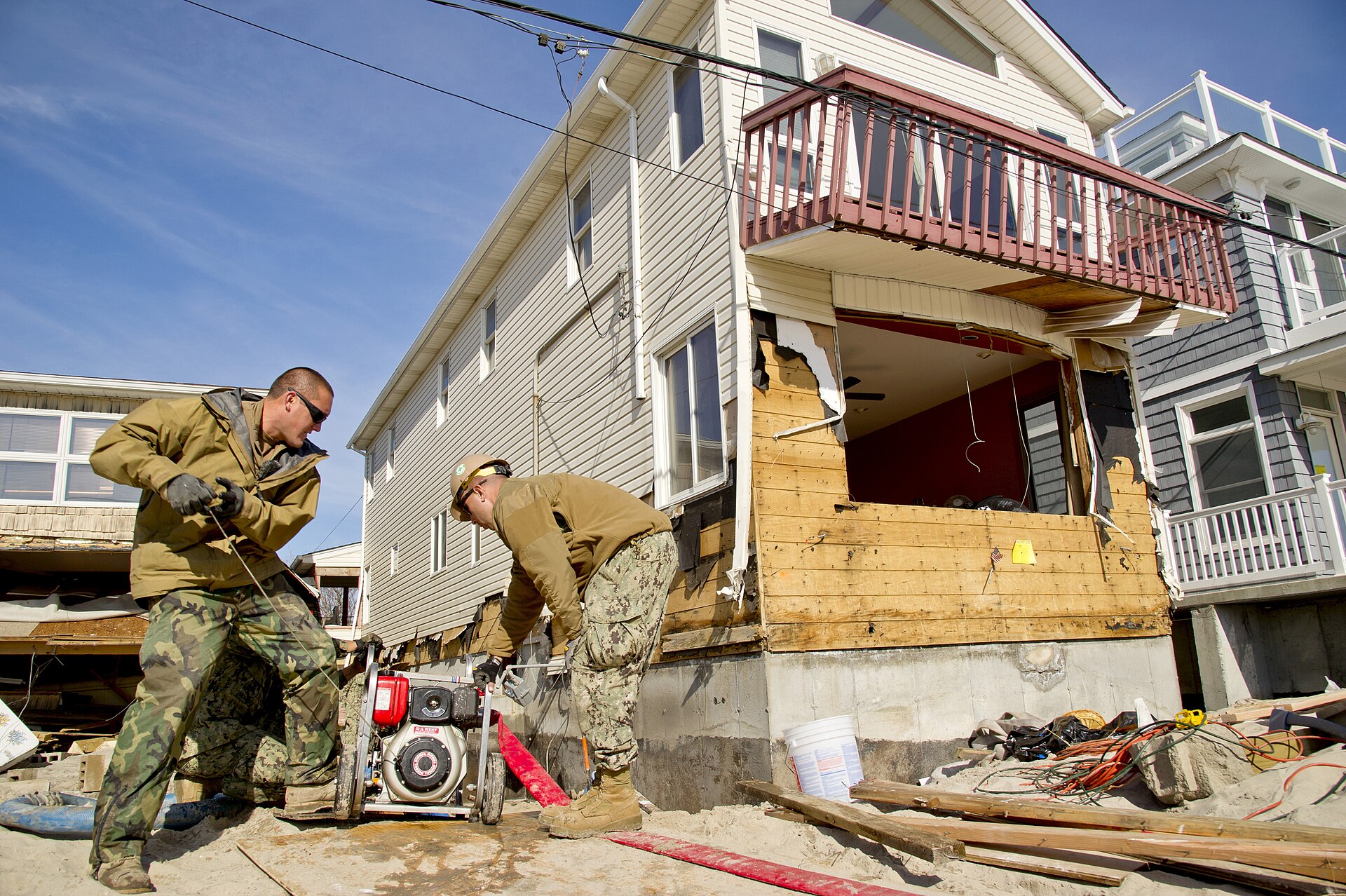
Water is getting in
Down a wall, at the floor joint, through a crack, or everywhere at once during the March melt. Each of those is a different diagnosis with a different price.
The fixBasement waterproofing — but only after establishing where it actually enters. Exterior correction where that is the answer; interior perimeter drainage where hydrostatic pressure is the cause.
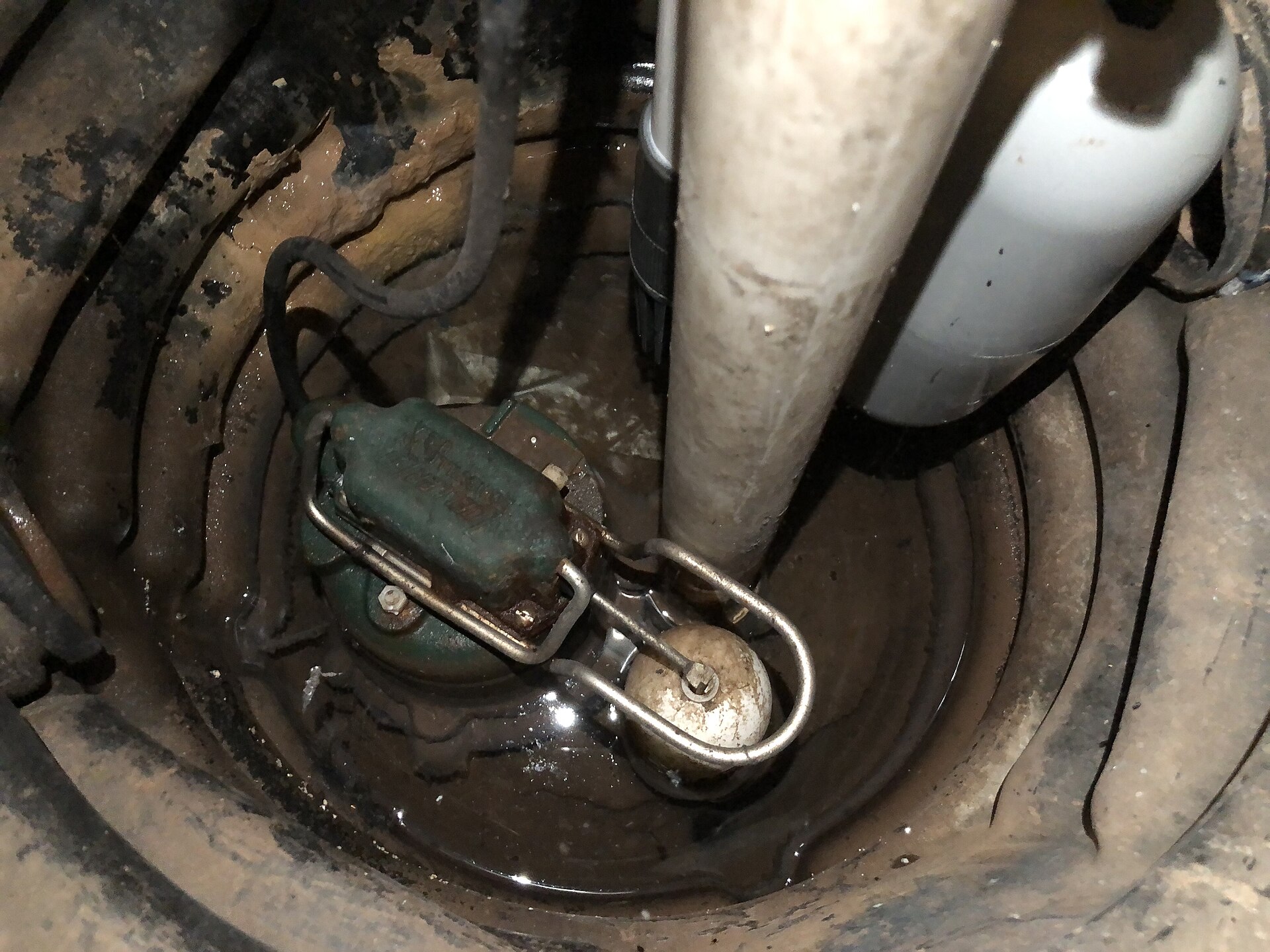
The pump can’t keep up — or fails in an outage
A sump sized for an average week is hopelessly undersized during a rapid melt on saturated ground. And the storms that make a sump necessary are the same events that take the power out.
The fixSump pumps & drainage sized for the worst week, with battery backup and an alarm. On seasonal property where nobody is there for eight weeks, backup is not optional.
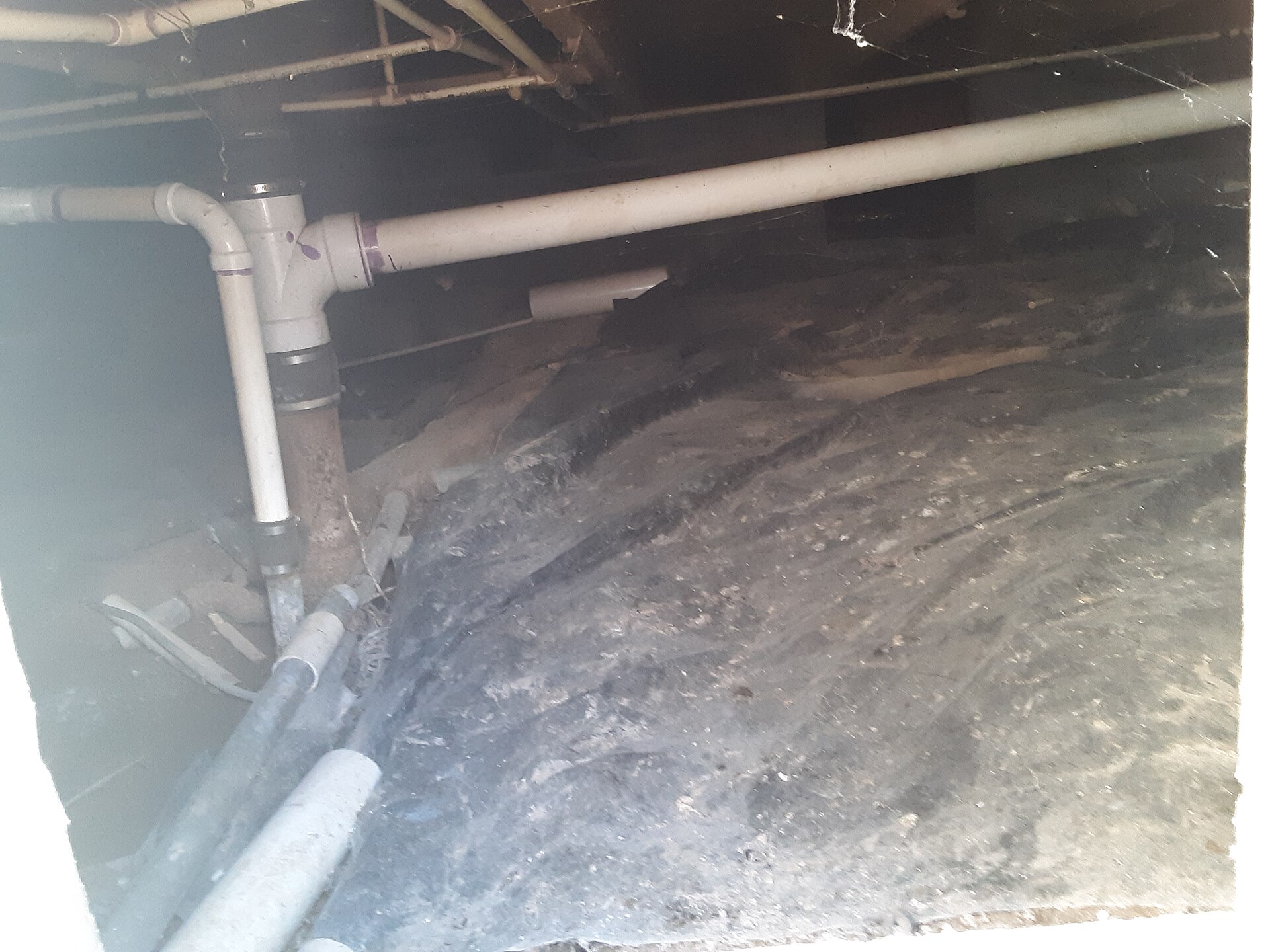
A musty smell you can’t place
Bare ground in a crawl space evaporates moisture upward continuously. In a summer camp that mattered to nobody. Under a heated, occupied house it becomes a permanent humidity source — and the symptoms show up upstairs.
The fixCrawl space encapsulation — sealed vapour barrier, sealed perimeter, and the space brought into the building's conditioned envelope.
A crack, and no idea whether it matters
Most foundation cracks are doing nothing and need nothing. A few patterns genuinely warrant proper assessment — and direction is most of the story.
The fixCrack repair, or frequently just monitoring. Our crack triage walks the four patterns. We do not make structural determinations over a website.
Work It Out Before You Call Anyone
Wet Basement Diagnostic
Where the water is, when it happens, what the foundation is — and out comes the likely cause, the fix class and an honest cost band.
Foundation Crack Triage
Four patterns, four verdicts: monitor, seal, or get it properly assessed. Plus how to tell whether a crack is actually moving.
Sump Pump Sizing
Sized for the March melt rather than an average week, with a straight answer on whether you need battery backup.
Common Questions
Why is my basement wet?
Where the water appears tells you which cause you have. Down a wall from near the top is surface water — roof runoff or grading — and it is fixed outside, usually cheaply. At the floor-wall joint is hydrostatic pressure from groundwater, and no wall coating touches it. Through a crack means the crack is the entry point. The diagnostic walks it in about two minutes.
How much does basement waterproofing cost?
The national average is around $5,236, typically $2,461–$8,196, with full interior perimeter drainage at $10,000–$15,000+ on a large footprint. Worth knowing first: exterior grading and downspout correction is frequently under $1,000, and on a meaningful share of wet basements it is the whole answer.
Is my foundation crack serious?
Most are not. Vertical hairlines in poured concrete are usually shrinkage from curing. What warrants proper assessment: horizontal cracks part-way up a wall, cracks visibly widening over time, and cracks showing displacement where one side sits proud of the other. See the crack triage — and note it is guidance, not a determination.
My basement only floods in spring. Do I need a full system?
Probably not a full system, but you do need drainage rather than sealing. A basement dry for eleven months does not have a failed wall — it has a few weeks when the groundwater outside sits higher than the floor inside. Interior drainage and a properly sized sump handle that, and the work is best done in summer rather than during the melt.
Why does it smell musty when there is no water?
Usually humidity rather than liquid water, and on Lakes Region property the most common source is a dirt-floor crawl space evaporating ground moisture up into the floor system. Symptoms present upstairs — musty smell, summer humidity that will not come down, cupping floorboards — which is why it goes undiagnosed for years.
Do I really need a battery backup on my sump?
If the basement matters, yes. The storms and melts that make a sump necessary are the same events that take the power out, and a Lakes Region March outage is routine. Without backup the pump is reliable right up until the night it is actually needed. On seasonal property, where nobody would know for weeks, it is not a close call.
Twenty Lakes Region Towns
Each town page covers the foundation types you actually find there, the water table, and what causes wet basements locally.